Table of Contents
So if you ever before discover yourself believing, "I'm doing it wrong," try advising yourself that "there's no right or incorrect way of grieving."Additionally, there's no certain order for the phases of sorrow. Our initial emotional reaction to loss may be temper and clinical depression. This doesn't indicate that we're not grieving effectively.
And our emotions can come in waves of strength. Numerous people get frustrated with themselves since they believe they're regreting also long.
It depends on the individual, and it relies on the loss. Try not to set any kind of target dates for on your own. And bear in mind that there's never ever a time when we're completely "done" with sorrow; we just learn how to make modifications to the loss. The grieving process can be unbelievably tough, however we do not have to go via it alone.
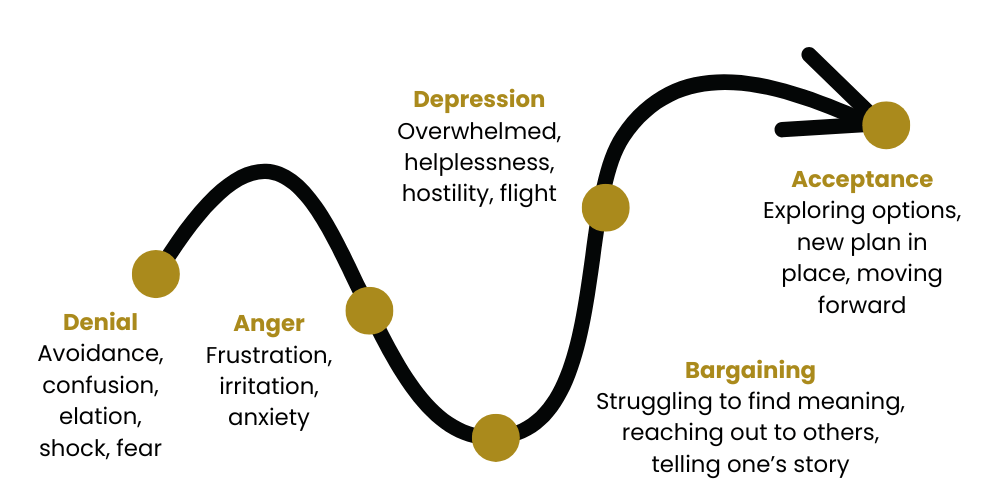
Sorrow is a difficult procedure that varies from person to person. The five phases of grief rejection, temper, bargaining, depression, and approval are a handy framework for believing regarding sorrow, yet it doesn't indicate we'll experience every phase. We can experience these aspects of despair at various times, and they do not take place in one specific order.
Emotional Capacity: Widening Your Resilience Through IFS / Parts Work Therapy
Believe it or not, all of these are some type of grief or the experience of coping with loss. As we work our means with experiences like these, we're likely to go with different phases or feelings from rejection and rage to despair and animosity.
We'll also take a look at typical false impressions concerning despair and suggestions for managing loss. Let's dive in. Prior to we dive into the 5 phases of pain, it's helpful to comprehend what sorrow is. Put simply, sorrow is the experience of dealing with loss. And it's experienced by each individual in a distinctively personal means.
Despair can also come from any kind of adjustments we experience in life, such as moving to a brand-new city or college or transitioning right into a new age group. The reality is that all of us experience a specific degree of pain throughout our lives. While some losses are extra extreme than others, they are no less genuine.
Selecting the Right Trauma Therapist in Los Angeles for High-Achiever Therapy

Numerous scientists have actually devoted years to researching loss and the feelings that accompany it. Among these experts was Elisabeth Kubler-Ross, a Swiss-American psychoanalyst. She spoke with over 200 people with terminal ailments and recognized 5 common stages individuals experience as they come to grips with the facts of their approaching fatality: denial, rage, bargaining, anxiety, and acceptance.
Kubler-Ross's job focused on sorrow actions from individuals who are passing away, numerous of these phases can be applied to grief across any type of type of loss. We may really feel like we accept the loss at times and after that relocate to another stage of grief once again.
Why Healthy Attachment Enables Balanced Achievement
Just how much time we invest navigating these phases varies from individual to individual. It might take us hours, months, or longer to refine and heal from a loss. With that said in mind, allow's take a closer check out each of the 5 phases of pain: For numerous individuals, rejection or claiming the loss or change isn't happening is frequently the very first response to loss.
Eventually, when we're grieving, we can start the healing process by enabling the feelings and feelings we have actually refuted to resurface. Lots of people will certainly additionally experience anger as component of their sorrow. According to Kubler-Ross, discomfort from a loss is typically redirected and expressed as rage. In other words, temper is a means to conceal the numerous feelings and discomfort that we're bring as a result of the loss or modification.
Even though our rational brain recognizes they're not to condemn, our emotions are intense and can easily bypass reasonable thinking. While we usually think that temper is an unfavorable emotion and something to be stayed clear of at all costs, it in fact offers a function and is a required part of healing.
Bargaining is a phase of despair that assists us keep hope during intense emotional pain. It's an attempt to help us regain control of a situation that has made us really feel extremely prone and powerless. It's likewise another way to assist us hold off needing to deal straight with the sadness, complication, or hurt.
How Expert IFS / Parts Work Therapy for Professionals Makes a Difference in Los Angeles
Depression is typically compared to the "silent" stage of pain, as it's not as active as the anger and bargaining stages. Signs and symptoms of clinical depression can materialize themselves in different ways.
Just like the other phases of grief, depression is experienced in various methods. Rather, it's a natural and suitable response to sorrow.
Rather, As an example, if we're regreting the fatality of a liked one, we might be able to share our appreciation for all the terrific times we invested with them. Or if we're undergoing a break up, we might claim something like, "This really was the best thing for me." In this stage, we could become extra comfy getting to out to household and close friends, and we could also make new connections as time takes place.
Right here are three usual misconceptions concerning regreting that we might believe when we consider our own or another person's method of grieving: Among one of the most common mistaken beliefs regarding grieving is that everybody goes with it in the very same means. Yet as we've developed, regreting is an unique trip that is different for every person.
Integrating: From Disconnection to Integration Through EMDR
"In addition, there's no particular order for the stages of despair. Our first psychological response to loss could be rage and clinical depression.
And our feelings can come in waves of intensity. Lots of individuals obtain irritated with themselves since they assume they're regreting as well long.

Navigation
Latest Posts
Continuing Recovery After Sessions for Cognitive Behavioral Therapy
Community Resources: Connecting Support
Meditation Techniques as Part of EMDR therapy: Integrating Within Daily Life