Table of Contents
- – The Critical Significance of Language in Therapy
- – Specific Therapy in Several Languages
- – Pairs Therapy Across Social and Linguistic Splits
- – Multicultural Counseling: Recognizing Diverse ...
- – Cognitive Behavior Modification in Multilingua...
- – Dialectical Behavior Modification for Emotiona...
- – Interior Family Members Equipments and Somatic...
- – Accessing Culturally Responsive Mental Health ...
In a significantly diverse society, the ability to obtain mental healthcare in one's native language stands for even more than benefit-- it's a basic facet of efficient treatment. Heart n Mind in Canada exemplifies the expanding recognition that multilingual psychiatric therapy solutions are necessary for giving culturally responsive, obtainable mental health and wellness support to individuals, pairs, and households browsing life's challenges across social and linguistic borders.
The Critical Significance of Language in Therapy
Somatic therapy (Optimized)Language shapes not only just how we communicate yet just how we believe, really feel, and process emotions. When customers take part in therapy in their 2nd or 3rd language, they may struggle to access the nuanced psychological vocabulary required to define intricate internal experiences. This linguistic obstacle can accidentally restrict the deepness of therapeutic work, specifically when processing trauma, checking out family-of-origin dynamics, or expressing subtle relational patterns.
Multilingual psychiatric therapy acknowledges that the language in which we initially discovered to call our feelings frequently stays the most direct path to authentic psychological expression. For many immigrants, evacuees, and multilingual people, the capability to alternative in between languages during treatment sessions-- or to perform whole sessions in their recommended language-- develops a level of psychological safety and security and authenticity that monolingual services can not replicate.
Waterloo, OntarioResearch study regularly shows that customers dealing with therapists that talk their indigenous language report stronger therapeutic partnerships, much better treatment adherence, and extra beneficial outcomes. This benefit expands beyond easy translation to incorporate social expressions, expressions, and ideas that may not have straight equivalents throughout languages.
Specific Therapy in Several Languages

Specific therapy develops the cornerstone of psychological wellness treatment, supplying a private area for personal expedition, signs and symptom monitoring, and development. When carried out in a customer's native language, specific therapy can access deeper layers of experience that could continue to be covert behind the protective barrier of a second language.
Multilingual specialists bring cultural capability that extends beyond language proficiency. They recognize just how various societies conceptualize psychological wellness, share distress, and technique help-seeking behaviors. This cultural-linguistic expertise permits therapists to acknowledge culturally certain discussions of anxiousness, depression, and various other psychological health and wellness concerns that may be misinterpreted with a Western-only lens.
For individuals navigating acculturation stress and anxiety, identity growth throughout cultures, or the complex emotions bordering migration experiences, multilingual specific therapy supplies an one-of-a-kind room to incorporate multiple social identities. Customers can explore exactly how their heritage culture and embraced culture engage, often causing problem and various other times producing abundant possibilities for development and increased viewpoints.
Pairs Therapy Across Social and Linguistic Splits
Couples therapy tackles extra complexity when partners come from various cultural histories or when the language talked in the house differs from the leading language of their taken on country. Multilingual pairs treatment addresses these unique difficulties while assisting partners strengthen their partnership, boost interaction, and browse conflicts effectively.
Several modern couples locate that significant aspects of their connection dynamics are rooted in social distinctions around family involvement, communication styles, sex roles, and parenting techniques. A multilingual specialist who recognizes these cultural contexts can assist couples identify when conflicts stem from social distinctions versus personal incompatibilities, creating space for shared understanding as opposed to judgment.
The capability to code-switch throughout couples sessions-- enabling each companion to share themselves in their most comfortable language when required-- can be transformative. This linguistic adaptability guarantees that both partners really feel just as listened to and recognized, avoiding the power imbalances that can arise when one partner should always communicate in a non-native language.
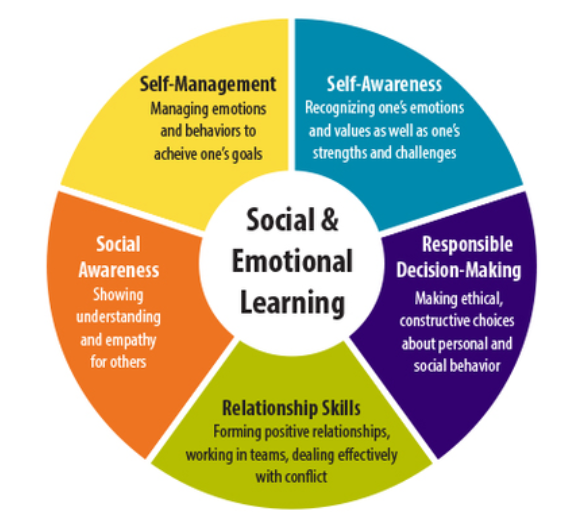
Multicultural Counseling: Recognizing Diverse Viewpoints
Modern counseling stands for a healing strategy that proactively incorporates customers' social identities, values, and worldviews right into treatment. This framework recognizes that culture greatly affects just how people recognize themselves, connect to others, and conceptualize mental health and wellness and health.
Effective multicultural therapy requires specialists to analyze their very own social biases and assumptions while establishing genuine curiosity about customers' social experiences. For multilingual specialists, this social humbleness combines with etymological ability to develop really inclusive restorative environments where customers don't require to describe or translate their cultural experiences via a Western framework.
This strategy shows particularly important for individuals navigating multiple social identities, experiencing discrimination or marginalization, or dealing with the psychological influence of leaving their home nations. Multicultural counseling recognizes the real-world contexts that shape psychological health, including systemic barriers, immigration stress and anxiety, and the continuous settlement of identification across social contexts.
Cognitive Behavior Modification in Multilingual Contexts
Cognitive Behavior Modification (CBT) focuses on recognizing and changing assumed patterns and actions that contribute to emotional distress. When delivered in a customer's indigenous language, CBT becomes more accurate and reliable because the cognitive restructuring job depends heavily on determining refined idea distortions and creating alternative point of views.
Multilingual CBT professionals understand that automatic thoughts-- the fast, often subconscious cognitions that influence feelings-- generally occur in one's mother tongue. By carrying out CBT because language, specialists can better determine and test these thoughts at their source rather than working through the filter of translation.
Cultural adjustments of CBT for varied populations have actually shown the importance of straightening cognitive restructuring work with social values and beliefs. What makes up a "" practical idea"" or an "" adaptive actions"" might differ dramatically throughout societies, requiring therapists to adapt conventional CBT protocols while preserving the healing technique's empirical structure.
Dialectical Behavior Modification for Emotional Guideline
Dialectical Behavior Modification (DBT) educates concrete skills for managing intense feelings, tolerating distress, boosting partnerships, and maintaining mindfulness. The structured nature of DBT abilities training makes it specifically amenable to multilingual shipment, as the details methods can be shown and practiced in any type of language.
The thoughtful structure of DBT-- which draws from Zen Buddhist principles of mindfulness and approval-- may reverberate in different ways throughout cultures. Multilingual specialists can attract links in between DBT concepts and ideas from customers' cultural or religious histories, making the abilities feel more easily accessible and personally appropriate.
For individuals from collectivist cultures, DBT's social effectiveness component can be adjusted to attend to the particular challenges of maintaining social values around family obligation while also setting proper limits. The capability to go over these nuances in one's native language permits extra advanced expedition of just how to balance completing social expectations.
Interior Family Members Equipments and Somatic Therapy
Interior Family Solution (IFS) treatment conceptualizes the mind as composed of numerous "" components"" with various duties, feelings, and perspectives. This therapeutic approach can be specifically effective in multilingual contexts, as customers frequently locate that different components of themselves are associated with different languages or social identities.
For instance, a customer may find that their "" vital component"" speaks in their parents' indigenous language, while their "" positive part"" utilizes the language of their embraced country. Multilingual IFS therapy enables clients to dialogue with these parts in whatever language feels most authentic, facilitating deeper accessibility to interior experiences and more effective internal interaction.
Somatic therapy stresses the body's duty in saving and refining psychological experiences. Because body feelings go beyond language, somatic approaches can be especially valuable in multilingual therapy settings. The language utilized to explain and explore physical experiences still matters substantially-- clients commonly have extra nuanced vocabulary for body sensations in their native language.
The integration of somatic awareness with multilingual capability allows therapists to help clients discover just how language-switching affects their physical state, how social experiences are kept in the body, and how reconnecting with one's indigenous language can help with access to psychological product that has actually been somatically kept.
Accessing Culturally Responsive Mental Health And Wellness Care
:max_bytes(150000):strip_icc()/improve-psychological-well-being-4177330_FINAL-5c454fd5c9e77c0001b32740.png)
The availability of multilingual psychotherapy services represents a substantial innovation in psychological health and wellness availability and equity. Practices providing solutions in several languages recognize that reliable psychological wellness care need to be both linguistically and culturally receptive to serve increasingly diverse areas.
When seeking multilingual treatment solutions, consider not just language ability yet likewise therapists' social capability, training in evidence-based techniques, and experience functioning with clients navigating cross-cultural experiences. The mix of etymological availability, cultural understanding, and clinical expertise creates the structure for transformative therapeutic work that honors all facets of your identity and experience.

Table of Contents
- – The Critical Significance of Language in Therapy
- – Specific Therapy in Several Languages
- – Pairs Therapy Across Social and Linguistic Splits
- – Multicultural Counseling: Recognizing Diverse ...
- – Cognitive Behavior Modification in Multilingua...
- – Dialectical Behavior Modification for Emotiona...
- – Interior Family Members Equipments and Somatic...
- – Accessing Culturally Responsive Mental Health ...
Latest Posts
Freedom from Relationship Dependency
Achieving Freedom from Food Obsession Through Processing Traumatic Origins
Why Reiki Reaches Traumatic Memories That Cognitive Approaches Doesn't Access
Navigation
Latest Posts
Freedom from Relationship Dependency
Achieving Freedom from Food Obsession Through Processing Traumatic Origins
Why Reiki Reaches Traumatic Memories That Cognitive Approaches Doesn't Access