Trauma doesn't follow a predictable timeline for recovery. Conventional talk treatment aids lots of people process challenging experiences, but some memories remain stubbornly immune to traditional strategies. Eye Activity Desensitization and Reprocessing (EMDR) and Accelerated Resolution Therapy (ART) have actually arised as powerful choices for individuals whose injury symptoms continue in spite of years of therapy. These evidence-based therapies use paths to relief that can really feel incredibly faster than typical approaches, often generating significant shifts in simply a couple of sessions.
How to Maintain Progress After Trauma Psychology Today Canada
Recognizing EMDR Treatment: Exactly How It Functions
Eye Activity Desensitization and Reprocessing represents a paradigm shift in injury treatment. Created by Francine Shapiro in the late 1980s, EMDR therapy operates the principle that terrible memories come to be "" stuck"" in the brain's handling system, preserving their emotional cost and triggering power long after the initial event. Unlike conventional treatment that counts largely on verbal handling, EMDR uses bilateral excitement-- normally eye movements, taps, or tones-- to assist in the brain's all-natural healing devices.
The procedure involves remembering terrible memories while at the same time participating in reciprocal excitement. This twin attention appears to allow the brain to recycle stuck memories, decreasing their emotional strength and integrating them into broader life narratives. Clients usually explain the experience as watching a film of their injury that progressively sheds its power, transforming from a visceral experiencing right into a much more far-off recollection.
What makes EMDR particularly compelling is the extensive research supporting its efficiency. The World Wellness Company, American Psychiatric Organization, and Division of Veterans Affairs all recognize EMDR as an evidence-based treatment for trauma and PTSD. Research studies continually show that EMDR generates results equivalent to or far better than typical trauma-focused cognitive behavioral therapy, often in less sessions.
The Eight Stages of EMDR Therapy
EMDR therapy adheres to an organized eight-phase method that makes certain detailed therapy. The procedure begins with history-taking and treatment planning, where specialists recognize target memories and assess client preparedness for injury handling. This preparation phase proves essential-- therapists teach basing methods and coping skills that clients can make use of if processing comes to be frustrating.
The assessment stage entails identifying certain memories, unfavorable ideas related to those memories, and desired positive beliefs. A memory of a car crash might carry the unfavorable cognition "" I'm not secure,"" which therapy aims to change with "" I survived and I'm risk-free now."" Clients rank their distress degrees and belief toughness, offering measurable pens of development throughout therapy.
Desensitization-- the heart of EMDR-- entails remembering the target memory while following the specialist's moving hand or involving with bilateral taps or audios. Handling continues up until the memory's psychological charge lessens considerably. Installment enhances the positive idea, while body check guarantees no recurring physical tension stays. Closure and reevaluation stages total each session and analyze progression over time.
Sylvia Lagosky
5/5
I know Vivienne as a colleague and she is compassionate and really knowledgeable ART and EMDR therapist in Calgary. I refer many clients to her due to her skills and extensive training. Do yourself a favor and see Vivienne if you need support!
Accelerated Resolution Therapy improves EMDR's foundation while introducing unique elements made to speed up healing. Established by Laney Rosenzweig in 2008, ART shares EMDR's use eye motions yet incorporates imagery rescripting strategies that allow clients to psychologically "" change the channel"" on distressing memories. This method often produces remarkable cause incredibly short durations-- typically one to 5 sessions.
The increased nature of ART originates from its straight targeting of sensory memories. As opposed to comprehensive verbal handling, ART focuses on replacing disturbing images with neutral or positive ones while retaining accurate memory of occasions. A professional may keep in mind the facts of a battle experience without the invasive headaches and recalls that previously come with those memories.
ART therapy shows particular performance for single-incident injuries like accidents, assaults, or medical procedures. The procedure enables clients to keep the web content of their injury personal if preferred-- specialists do not need in-depth verbal descriptions to help with reliable handling. This feature attract people reluctant to verbally state uncomfortable experiences or those worried about confidentiality in specific specialist contexts.
EMDR Intensives: Concentrated Recovery in Compressed Timeframes
Typical weekly therapy sessions function well for lots of individuals, but some situations require even more extensive intervention. EMDR intensives condense treatment into longer, extra frequent sessions-- in some cases complete or half-day visits over successive days. This style permits deeper processing without the interruption of returning to every day life between basic 50-minute sessions.
Intensives particularly benefit individuals taking care of certain traumatic events, preparation for significant life changes, or those who've plateaued in typical treatment. The focused format creates energy that can appear resistance and permit handling that might take months in weekly sessions. Traveling from out of state becomes feasible when treatment compresses into a week or vacation instead of needing months of regular consultations.
Resilience Currently and similar customized practices usually structure intensives around specific needs, integrating EMDR with corresponding approaches like somatic treatment or mindfulness practices. The extensive style requires cautious prep work and follow-up support to make certain customers can incorporate their handling and maintain gains after returning home.
Dealing With Anxiousness with EMDR and ART
While EMDR and ART built their track records dealing with trauma and PTSD, both methods show performance for anxiousness disorders even without clear distressing beginnings. Panic attack, social anxiousness, and generalized anxiousness usually have roots in earlier experiences that may not certify as capital-T injury yet nonetheless produced long-term patterns of concern and evasion.
EMDR targets the memories, scenarios, and sets off that fuel present anxiousness. Someone with social anxiety could refine very early experiences of shame or being rejected that established ideas concerning being evaluated or poor. As these memories shed their psychological charge via bilateral stimulation, contemporary anxiousness symptoms commonly diminish considerably.
ART's fast processing makes it specifically appealing for people whose stress and anxiety conflicts with job, partnerships, or quality of life. The prospect of purposeful relief within a handful of sessions inspires individuals that could otherwise delay seeking therapy. Both methods offer hope that anxiousness does not call for years of management-- it can potentially deal with via targeted reprocessing of the experiences that established anxious patterns.
Somatic Components of Trauma-Focused Therapy
10 Signs You're Healing From Trauma Attune Philadelphia Therapy
Both EMDR and ART acknowledge that trauma lives in the body as long as the mind. Terrible memories usually show up as physical sensations-- rigidity in the upper body, nausea, muscle mass stress-- that persist also when the initial threat has passed. Reliable trauma treatment addresses these somatic elements instead than focusing specifically on thoughts and feelings.
During EMDR processing, customers track physical sensations as memories change. Stress could originally increase before releasing, or new feelings might become processing proceeds. Specialists assist interest to these body experiences, allowing them to inform and advance the reprocessing job. The body scan phase particularly ensures that no recurring physical holding patterns continue to be after cognitive and psychological handling completes.
This somatic understanding confirms especially important for complex trauma, where hypervigilance and physical sensitivity ended up being embedded survival reactions. Discovering to track and release body-based injury responses aids customers reclaim a sense of safety and security and presence that trauma had swiped.
Picking In Between EMDR and ART for Your Demands
Both EMDR and ART offer effective trauma therapy, but specific variables might make one even more suitable for your certain scenario. EMDR's substantial study base and eight-phase structure allure to individuals that value thoroughly confirmed techniques and appreciate plainly defined treatment methods. The approach's flexibility permits adjustment for complicated trauma, accessory injuries, and recurring tight spots.
ART's quick outcomes make it ideal for single-incident injury, certain phobias, or situations requiring fast resolution. The privacy managed by very little spoken disclosure benefits some customers, while others might miss the processing that originates from talking through experiences. Some experts integrate both approaches, utilizing ART for discrete memories and EMDR for even more complex presentations.
What to Anticipate From Trauma-Focused Treatment
Starting EMDR or ART requires readiness to involve with painful memories, even as the processing itself reduces their effect. Preliminary sessions concentrate on building sources and guaranteeing sufficient coping abilities exist for taking care of prospective distress. Quality trauma therapists never rush into handling before developing safety and security and stablizing.
The experience of reciprocal stimulation differs-- some individuals hardly observe eye activities or taps, while others locate them initially odd or distracting. A lot of customers adapt swiftly, and the reciprocal part soon fades into history understanding as processing takes facility phase. In between sessions, brand-new insights, memories, or feelings might emerge as the brain proceeds incorporating material.
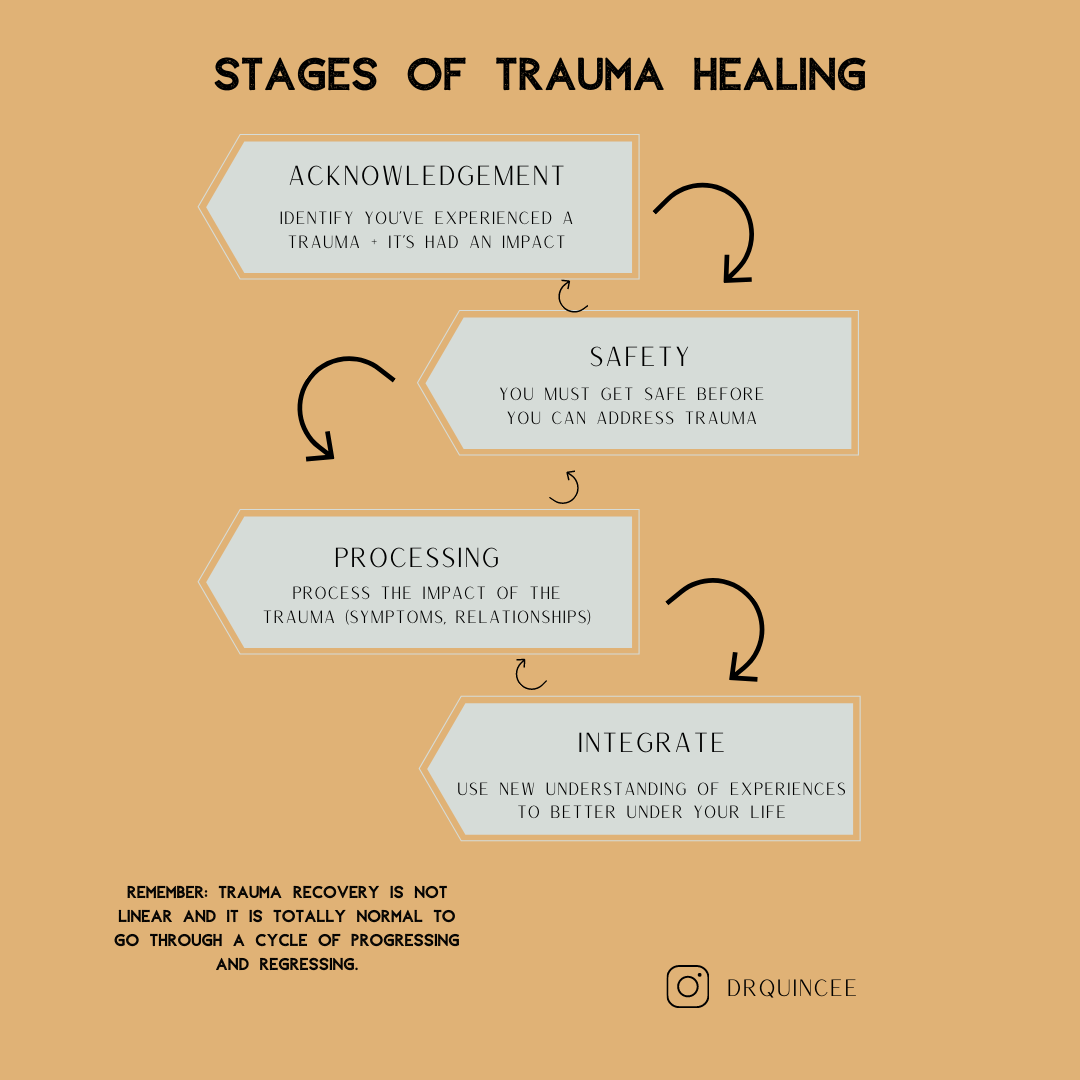
Development does not constantly follow a linear path. Some sessions create significant shifts while others really feel slower or harder. Relying on the process and keeping commitment with varying experiences enables the full advantage of these techniques to arise. Follow-up sessions evaluate whether processing holds and address any type of remaining targets or brand-new product that surfaces.
Locating Qualified EMDR and ART Specialists
Not all therapists providing EMDR or ART have equal training or experience. Standard EMDR training calls for completion of approved programs, but extra consultation, progressed training, and managed method separate experienced experts from genuinely competent ones. Try to find therapists licensed by EMDR International Association (EMDRIA) or that have actually completed extensive supervised hours beyond standard training.
For ART, certification requires certain training in the protocol and supervised technique. The therapy's relative newness contrasted to EMDR means fewer practitioners supply it, however expanding research study support continues expanding availability. Specialized practices like Durability Now usually focus particularly on trauma-informed modalities, making certain team proficiency in these strategies.
Throughout appointments, ask concerning details training, years of exercise with the technique, and kinds of trauma normally dealt with. A specialist's comfort and confidence with the technique matters considerably-- efficient EMDR and ART need adaptability to adjust protocols while preserving fidelity to core principles. The right suit incorporates technical knowledge with the relational abilities that make all therapy reliable.